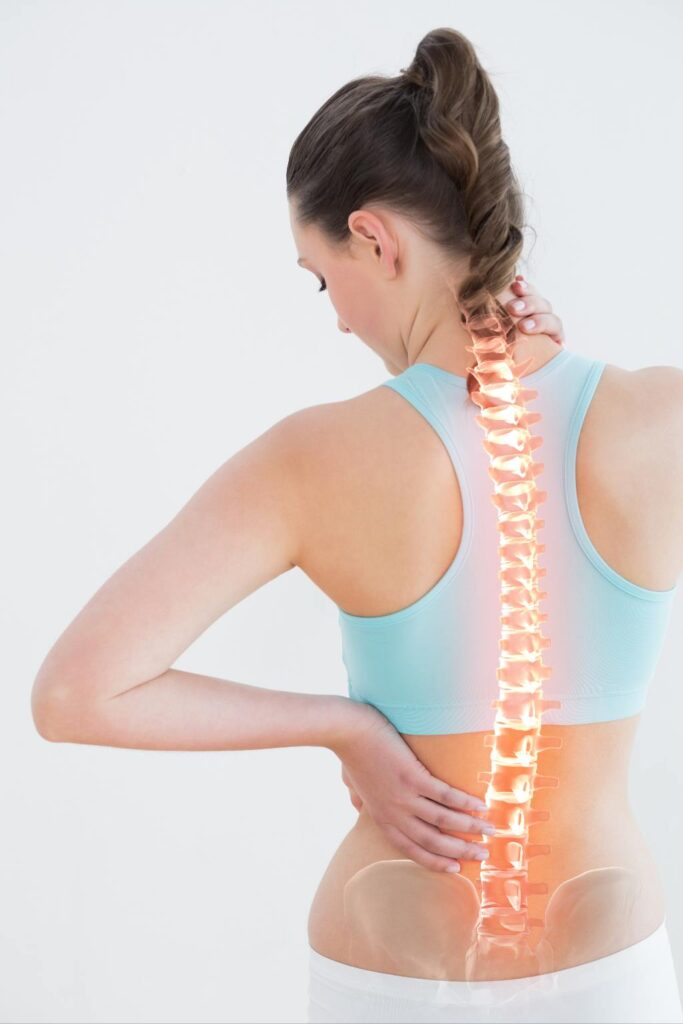
 Have you ever felt that deep, nagging back pain that just won’t seem to go away, no matter how much you stretch, rest, or try to “walk it off”? You’re not alone. Back pain is one of the most common reasons people visit a chiropractor or orthopedic specialist. But what if there was a gentle, non-surgical treatment designed to relieve pressure on your spine and help your body heal naturally?
That’s where spinal decompression therapy comes in. This innovative approach has helped countless patients find lasting relief from back and neck pain without the need for medication or surgery. If you’ve been searching for spinal decompression near me, keep reading to learn what it is, how it works, and why AICA Orthopedics in Marietta is a trusted destination for this treatment option.
What Is Spinal Decompression?
Spinal decompression is a specialized therapy designed to relieve pressure on the spine by gently stretching it. This process can help reposition bulging or herniated discs, improve circulation, and promote healing in the soft tissues surrounding the spinal column. Unlike traditional traction, spinal decompression therapy is guided by a computer and controlled precisely to target specific areas of the spine.
Spinal decompression treatment alternates between gentle stretching and relaxation by creating a negative pressure within the spinal column. This vacuum-like effect helps draw in oxygen, water, and nutrients, all of which are essential ingredients for disc repair and regeneration.
What Parts of the Body Does Spinal Decompression Help?
When you think about spinal decompression, it’s easy to assume it’s only for the lower back. But in reality, spinal decompression therapy can benefit multiple regions of the spine, and by extension, other areas of the body affected by nerve compression. Because the spine connects to nearly every part of your body, improving its function can also enhance your overall mobility, balance, and comfort in daily life.
Here’s how it can help different parts of your spine:
1. Lower Back (Lumbar Spine)
This is the most common area treated with back decompression near me searches. If you experience lower back pain, sciatica, or disc herniations in the lumbar spine, spinal decompression can reduce pressure on the nerves that travel down your legs, helping to relieve pain, numbness, and tingling.
2. Neck (Cervical Spine)
When the discs in your neck become compressed, it can lead to stiffness, headaches, and pain that may even radiate into the shoulders and arms. Gentle cervical decompression therapy helps restore proper spacing between vertebrae, which can help improve range of motion and reduce nerve irritation.
3. Mid-Back (Thoracic Spine)
The upper and mid-back, known as the thoracic spine, plays a major role in posture, breathing, and shoulder mobility. Poor posture, long hours at a desk, or repetitive strain can cause tightness or pain between the shoulder blades. Spinal decompression therapy in this area helps reduce muscle tension, improve circulation, and encourage better alignment through the midsection of the spine.
6 Common Reasons You Might Need Spinal Decompression
Wondering if spinal decompression near me could help your specific symptoms? Here are some of the most common conditions that benefit from this treatment:
1. Herniated or Bulging Discs
When the soft inner core of a spinal disc pushes through its outer layer, it can press on nearby nerves, causing pain, numbness, or weakness. Spinal decompression gently pulls the vertebrae apart, reducing pressure on the disc and allowing it to retract naturally.
This process not only relieves discomfort but also helps restore proper spacing between discs so that nutrients and oxygen can flow back into the affected area.
2. Degenerative Disc Disease
As we age, spinal discs lose hydration and elasticity. This can cause chronic stiffness, pain, or nerve compression known as degenerative disc disease. Regular decompression sessions can help improve disc health and slow further degeneration. By creating space within the spine, decompression encourages fluid to the area that nourishes and rehydrates aging discs. It’s a proactive way to manage back pain and maintain mobility as part of a long-term spinal wellness plan.
3. Sciatica
If you’ve ever felt sharp, shooting pain down your leg, you know how debilitating sciatica can be. Spinal decompression therapy targets the source of the problem, such as a pinched nerve in the lower spine, to help reduce inflammation and promote healing. As the pressure on the sciatic nerve lessens, people often notice their pain easing and their ability to stand, walk, and sit comfortably returning. Over time, regular sessions can minimize flare-ups and keep your spine functioning at its best.
4. Facet Joint Syndrome
The small joints that connect each vertebra can become inflamed or misaligned, leading to localized back or neck pain. By reducing spinal pressure, decompression can help relieve joint irritation. This therapy also improves motion between vertebrae, allowing your body to move more naturally and with less stiffness. Many people find that combining decompression with chiropractic care enhances their flexibility and posture even further.
5. Spinal Stenosis
This condition occurs when the spinal canal narrows, compressing nerves and causing pain or weakness. Non-surgical decompression can help relieve this pressure and restore comfort. By gently stretching the spine, decompression opens the space within the spinal canal so that nerves can move more freely. It can be a beneficial option for people looking to avoid surgery while still getting meaningful relief from daily discomfort.
6. Chronic Back or Neck Pain
Even if you don’t have a diagnosed spinal condition, daily stress, poor posture, or repetitive strain can lead to discomfort all day and night. Decompression offers a way to reset and realign your spine for lasting relief.
It’s especially helpful for people who spend long hours sitting at a desk or looking down at their phones, both of which can contribute to spinal tension. With regular sessions, decompression can help restore balance, improve posture, and reduce the everyday aches and pains that build up over time.
What to Expect During Spinal Decompression Therapy
 Trying something new can feel intimidating, but spinal decompression therapy is one of the most comfortable and relaxing treatments many patients experience.
Here’s what a typical session looks like:
- Personalized Assessment: Your chiropractor or orthopedic doctor will review your symptoms, medical history, and imaging results to determine if decompression is the right fit for you.
- Getting Set Up: You’ll lie down on a specialized spinal decompression machine, either face up or face down, depending on your treatment plan. They will gently place straps around your hips or torso to help support proper positioning.
- Gentle Stretching Cycles: The machine applies precise, computer-controlled traction to your spine in slow, measured intervals. You’ll feel a gentle pulling sensation followed by periods of relaxation. Many patients describe it as soothing, and some even fall asleep!
- Session Length: Each treatment commonly lasts between 20 and 45 minutes. Most patients benefit from multiple sessions per week for several weeks, depending on their condition.
- After Your Session: You may feel a sense of lightness, reduced tension, or improved mobility right away. Some mild soreness can occur as your body adjusts, but it’s temporary and typically subsides within a day.
- Your doctor may recommend complementary treatments like chiropractic adjustments, physical therapy, or therapeutic exercises to enhance your results and help you maintain progress.
Spinal Decompression Therapy vs. Spinal Decompression Surgery
If you’ve heard both terms, it’s important to know how they differ.
Spinal decompression therapy is non-surgical. It uses a mechanical table to gently stretch your spine and relieve pressure naturally. It’s safe, effective, and requires no recovery time.
Spinal decompression surgery, on the other hand, involves removing part of a disc, bone, or tissue that’s pressing on the spinal nerves. While surgery can be effective in severe cases, it can carry higher risks and requires significant downtime.
For most patients with moderate back or neck pain, non-surgical decompression is an excellent first step before considering surgical options.
How Long Does It Take to Feel Results?
Everyone’s body responds differently, but many patients start noticing relief after just a few sessions. Consistency is key: spinal decompression works best as part of a personalized treatment plan designed around your unique needs and goals.
Your chiropractor may also teach you stretching and strengthening exercises to support spinal health between visits, helping prevent future flare-ups.
Why Choose AICA Orthopedics in Marietta for Spinal Decompression
If you’ve been searching online for “spinal decompression therapy near me” or “back decompression near me,” you want a team that combines experience, compassion, and advanced technology.
At AICA Orthopedics in Marietta, our team includes chiropractors, orthopedic doctors, physical therapists, and neurology specialists who work together to develop a holistic treatment plan tailored to your spine health. We use cutting-edge spinal decompression machines and diagnostic imaging to ensure precise, effective results.
Our patients appreciate the difference of an integrated approach, one that treats your pain at the source and helps you get back to doing the things you love.
Take the Next Step Toward a Healthier Spine
If back or neck pain has been holding you back, it’s time to explore a proven, non-invasive solution. Spinal decompression offers real relief and lasting results without surgery or medication. Stop searching for “spinal decompression near me” and start your recovery journey with the caring experts at AICA Orthopedics Marietta. Schedule your consultation today to see if spinal decompression therapy is right for you.