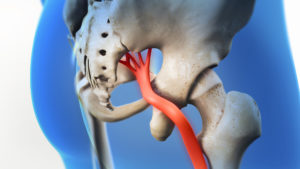
Everyone knows the feeling of your foot ‘falling asleep’ and then the ‘pins and needles’ that follow when you try to move. This is a very mild example of a pinched nerve that resolves on its own after you move around and your nerve is no longer compressed. There are times when a pinched nerve doesn’t go away on its own, and those tingling and ‘pins and needles’ feelings end up lasting for a long time. While you might be tempted to wait for these symptoms to go away, you can actually experience nerve damage if a compressed or pinched nerve is not treated. If you think you are experiencing a pinched nerve that won’t go away, then you should reach out to a chiropractor in Marietta for treatment that will last.
What Is a Pinched Nerve?
A pinched nerve occurs when too much pressure is put on a nerve by a bone, joint, muscle, spinal disc, or other soft tissue. An optimal functioning nerve will send and receive signals throughout the body, like telling a specific muscle to move or to feel pain. When a nerve is pinched or compressed, it can disrupt these messages or send the wrong signals. Because nerves send messages throughout the body, a pinched nerve may occur in your neck, but you might experience symptoms in your back and shoulder. Pinched nerves can cause symptoms like numbness and tingling, pain, muscle spasms, and even a temporary limited range of motion.
How Do You Know If You Have a Pinched Nerve?
Many people wonder how to tell the difference between simple muscle soreness and a true nerve issue. A pinched nerve in the shoulder, neck, or lower back can feel very different from a strained muscle.
For example, the symptoms of a pinched nerve in the neck may include sharp pain that radiates into the shoulder or down the arm, headaches at the base of the skull, or numbness in the fingers. A pinched nerve in the arm often causes tingling, weakness, or that persistent “electric” sensation that doesn’t go away with stretching.
Similarly, a pinched nerve in the lower back may cause pain that travels into the hips or legs. Some patients also experience a pinched nerve in the hip, which can create discomfort while sitting, walking, or sleeping on one side. When compression occurs near the upper back, a pinched nerve in the shoulder blade can cause burning or stabbing pain between the shoulder blades.
One of the most common questions patients ask is: do pinched nerves go away? The answer depends on the severity and cause. Mild compression from temporary inflammation may resolve with rest and movement. However, if structural misalignment or disc issues are involved, the nerve may remain irritated until the underlying cause is treated.
What Causes a Pinched Nerve?
Pinched nerves can be caused by a number of injuries that affect your spine or your nervous system. Car accident injuries like whiplash are commonly associated with pinched nerves because the neck muscles are strained out of their normal range of motion, which can lead to inflammation and compression of nearby nerves. Similarly, neck and back sprains can occur from a car accident or other type of injury and can cause spinal misalignments or inflammation. In order to treat a pinched nerve, it helps to identify the cause.
Will a Pinched Nerve Go Away on Its Own?
It’s natural to hope that the pain will simply fade. Many patients ask:
- Will a pinched nerve go away on its own?
- Does a pinched nerve go away on its own?
- Can a pinched nerve go away on its own?
In some mild cases, yes. If swelling decreases and pressure is relieved, symptoms may improve within a few days. But that is not always the case.
If a disc is bulging, a joint is misaligned, or muscles are chronically tight and pulling the spine out of position, the nerve may continue to be compressed. Waiting too long can increase the risk of long-term irritation or nerve damage.
Another common question is, “How long does a pinched nerve last?” The timeline varies widely. Some resolve in a few days, while others persist for weeks or even months if left untreated. The longer compression continues, the greater the risk of muscle weakness, chronic inflammation, or degenerative changes.
When symptoms linger beyond a few days or worsen over time, professional evaluation becomes important.
When a pinched nerve is left untreated, that means the root cause is left untreated, too. Anything that causes pain and is left untreated for too long can run the risk of developing into chronic pain and discomfort.
How to Release a Pinched Nerve in the Shoulder and Other Areas
If you are wondering how to release a pinched nerve in the shoulder, the first step is determining what iscausing the compression. Self-care strategies may provide temporary relief, including:
- Gentle stretching
- Improving posture
- Alternating heat and ice
- Avoiding repetitive strain
- Light mobility exercises
However, these strategies do not correct structural issues. If spinal misalignment or disc degeneration is contributing to a pinched nerve in the shoulder, neck, or back, chiropractic care may help restore proper positioning and reduce nerve pressure.
A chiropractor evaluates spinal alignment, muscle tension, and joint mobility. Gentle adjustments may relieve compression and allow the nerve to function normally again. Soft tissue therapies can also reduce inflammation and improve circulation to the affected area.
Patients with a pinched nerve in the lower back or hip often benefit from targeted adjustments combined with corrective exercises. Those experiencing a pinched nerve in the arm from cervical spine irritation may see relief once neck alignment improves.
Early intervention often shortens recovery time and reduces the risk of long-term complications.
Here are two examples of what a pinched nerve can lead to if left untreated:
Peripheral Neuropathy
Nerves that are outside of the brain and spinal cord are called peripheral nerves, and when these are damaged, it is called peripheral neuropathy. Peripheral neuropathy is commonly associated with diabetes, though it can also occur from injuries and infections. Symptoms of peripheral neuropathy, like numbness, weakness, and pain in the hands and feet, are most common, though it is possible to affect other areas of your body. Peripheral nerves send messages about sensory information through the body, so when they are damaged, it can lead to extreme sensitivity to touch and cause stabbing, throbbing, or even burning pain.
Disc Degeneration
The discs that separate each vertebra in your spine help to cushion and also absorb shock during your daily movements, and help keep your spine flexible. When these discs start to break down, also known as disc degeneration, they can lose their sponge-like quality and flexibility. These discs naturally break down over time, but if they become more worn-out earlier, they can dry out or crack. As these discs break down, they can slip out of place and put pressure on nearby nerves, causing pinched nerves. Over time, these pinched nerves can develop into nerve damage.
When Should You Seek Treatment?
If you are experiencing persistent numbness, weakness, or radiating pain, it may be time to seek professional care. Warning signs that a pinched nerve requires evaluation include:
- Pain that lasts longer than a week
- Increasing weakness in the arm or leg
- Difficulty gripping objects
- Pain that interferes with sleep
- Symptoms spreading to new areas
A pinched nerve in the shoulder blade that causes burning pain when sitting at a desk may be linked to posture and spinal alignment. A pinched nerve in the hip that makes walking difficult should not be ignored. The longer the nerve compression continues, the higher the likelihood of chronic issues.
If you are still asking yourself, do pinched nerves go away? The safer approach is not to rely on hope alone. Proper assessment can prevent unnecessary complications.
Habits That Can Make a Pinched Nerve Worse
Sometimes, nerve compression doesn’t begin with a major injury. It develops gradually because of daily habits that place repeated stress on the spine.
Poor posture is one of the most common contributors. Sitting for long periods with rounded shoulders and a forward head position increases pressure on the cervical spine, which can contribute to the symptoms of a pinched nerve in the neck and even trigger a pinched nerve in the shoulder blade. Over time, this added strain can irritate nearby nerves and lead to radiating discomfort.
Repetitive movements can also play a role. Frequent lifting with improper form may worsen a pinched nerve in the lower back, while repetitive overhead activity can aggravate a pinched nerve in the shoulder. Even sleeping positions matter. Side sleeping without proper support may contribute to a pinched nerve in the hip, especially if the spine is not kept in neutral alignment.
Ignoring early warning signs often makes recovery more difficult. What begins as occasional tingling may progress into persistent pain if spinal stress continues unchecked. Recognizing and correcting these habits early can significantly reduce nerve irritation and support long-term spinal health.
Treatment for a Pinched Nerve
Chiropractic treatment for pinched nerves uses safe, gentle spinal adjustments to help restore proper alignment and relieve pressure on irritated nerves. By correcting misalignments and improving joint mobility, chiropractors address the root cause of compression rather than simply masking symptoms.
Therapeutic massage, corrective exercises, and posture recommendations may also be incorporated to reduce inflammation and support healing. Whether you are dealing with a pinched nerve in your shoulder, neck, hip, arm, or lower back, personalized care can help restore normal nerve communication and reduce pain.
If you have been wondering, “Will a pinched nerve go away on its own?” or “How long does a pinched nerve last?” the best way to get answers is through a professional evaluation. Waiting too long can allow symptoms to worsen and increase the risk of long-term nerve damage.
To learn how your chiropractor can help release pressure and support healing, visit AICA Orthopedics in Marietta. Our team specializes in diagnosing and treating conditions affecting the spine and nervous system. If you are experiencing symptoms of a pinched nerve, schedule an appointment today and take the first step toward lasting relief.