 Back pain is one of the most common reasons people go the doctor every year. This type of discomfort can range from a mild, occasional annoyance to a chronic, life-altering condition. For many patients, the challenge is about understanding why you’re dealing with back pain in the first place. At AICA Orthopedics, our patients often come in with questions that start the same way: “What’s actually causing this pain?”
The truth is that back pain is rarely caused by a single issue. Instead, it can develop from a combination of lifestyle habits, injuries, spinal conditions, and even underlying health concerns. Understanding the causes of back pain is the first step toward finding long-lasting relief and preventing it from returning. Here’s what you need to know about the most common sources of back pain and when it may be time to seek professional care.
Upper Back Pain
The upper back, also known as the thoracic spine, is designed to be stable and supportive. Because of that, pain in this area is often related to posture, muscle strain, or repetitive stress rather than structural damage alone. One of the most frequent issues patients report as causes of upper back pain is tied to daily habits like prolonged sitting, especially with “tech neck”, that forward head posture while working on computers or looking down at your phone. Over time, this strains the muscles between the shoulder blades and can lead to stiffness, tightness, or even tinging and numbness if nerves get involved.
Other common causes of upper back pain include carrying heavy bags on one shoulder, poor ergonomics at your workstation, or sudden twisting movements during physical activity. In some cases, upper back pain may even be referred pain from the neck or shoulders, making it feel more widespread than it actually is. Although upper back pain is often muscular, you don’t want to ignore pain or other symptoms, especially if they interfere with breathing, sleep, or daily movement.
Pain in the Middle of the Upper Back
Pain located between the shoulder blades can be especially uncomfortable and sometimes confusing. The causes of pain in upper middle back often include muscle overuse, joint dysfunction, or irritation of the spinal structures that connect the ribs and vertebrae. This area is heavily involved in controlling your posture, which means even subtle imbalances, like uneven shoulder height or weak core muscles, can make your pain worse. Athletes, office workers, and people who perform repetitive lifting can be especially prone to pain in this area. Stress can also play a role in this type of back pain. When your body is tense, people often unknowingly tighten their upper back muscles, which can then lead to chronic tightness and trigger points. Over time, this can develop into persistent soreness or sharp pain with movement.
Lower Back Pain
Lower back pain is the leading cause of disability worldwide, and nearly everyone experiences it at some point in their lives. The causes of lower back pain are wide-ranging, from simple muscle strains to more complex spinal conditions. One of the most common triggers is improper lifting mechanics. If you lift heavy objects without engaging your legs and core, it makes your lower back absorbs excessive stress. Over time, this can lead to muscle strain or ligament sprain.
Spinal disc issues, such as bulging or herniated discs, can also contribute to lower back discomfort by pressing on nearby nerves. This may cause pain that radiates into the hips or legs, sometimes accompanied by numbness or tingling. Degenerative changes in the spine, such as arthritis, are another frequent source of chronic lower back pain, especially as people age.
While general lower back strain is common, there can be other reasons why you’re dealing with persistent symptoms. The cause of lower back pain can sometimes be traced to spinal misalignment, weak supporting muscles, or even prolonged inactivity. Sitting for long periods, especially without proper lumbar support, can put too much continuous pressure on the lower spine. Over time, this reduces your flexibility and weakens stabilizing muscles, making the area more vulnerable to injury.
Other lifestyle factors such as lack of exercise, obesity, and poor posture when you sleep can significantly increase strain on the lower back. In some cases, underlying conditions like spinal stenosis or sacroiliac joint dysfunction may be responsible. If your lower back pain becomes frequent or gets worse over time, it’s important to visit a doctor to learn whether you’re dealing with a structural issue versus lower back pain that’s purely muscular.
What Causes Painful Lower Back Episodes?
Many patients describe flare-ups of intense discomfort rather than constant pain. The causes of painful lower back episodes often include sudden movements, minor injuries, or inflammation in already sensitive tissues. For example, bending awkwardly to pick something up or twisting quickly while lifting can irritate spinal joints or discs. Even coughing or sneezing in certain positions can trigger sharp pain if the lower back is already compromised. Inflammation can also play a major role. When muscles and soft tissues in the area become aggravated, they can swell, leading to additional pressure on nearby nerves. When nerves are impacted by inflammation, it can cause sharp, stabbing sensations or stiffness that limits mobility. These episodes can sometimes get better quickly with rest, but recurring flare-ups are more likely a sign of an underlying issue that should be evaluated by your Marietta spine doctor.
Back Pain in Women
Back pain affects everyone, but certain biological and lifestyle factors can make women more susceptible to specific types of back pain and discomfort. So, what are causes of back pain in women? Answers to this type of question should also include considerations such as hormonal changes, pregnancy, and structural differences in pelvic alignment with the female anatomy.
During pregnancy, the growing uterus shifts the body’s center of gravity forward, which can place additional stress on the lower back. Hormonal changes also lead to ligaments becoming loose, which can reduce spinal stability and increase strain in the area. Menstrual cycles and conditions such as endometriosis can also contribute to cyclical lower back pain in some women. In addition, osteoporosis, which is more common in women, can increase the risk of compression fractures and chronic discomfort. Lifestyle factors like wearing high heels frequently or carrying heavy bags can also contribute to long-term spinal strain.
Sports Related Back Pain
When you’re into sports – and even when you’re just playing a fun one-off game, it’s easy to get into trouble with injury. You get slammed from the side, hit in a joint, and the next thing you know you’re on the ground screaming. It’s unfortunate, to say the least, but it happens. And when the action is over, you’re going to need to heal and do it all of the ways. There are connections between the joints in the lower part of your body, such as your knees and hips, all the way up your spine. The same applies to your shoulders going down. A previous injury can also come back to haunt you, which is why if you have an old history of damage or a new one, it’s always wise to get the aftermath checked out to make sure you’re doing all that you can to stave off chronic ailments.
When Back Pain Becomes More Than a Minor Issue
While occasional back pain is common, persistent or worsening symptoms should not be ignored. It may be time to visit a spine doctor near you if pain lasts longer than a few weeks, interferes with your sleep, or is accompanied by numbness, weakness, or radiating pain into the limbs. Diagnostic tools such as physical examinations, diagnostic imaging, and neurological assessments can help identify whether the pain is muscular, structural, or nerve related. Early diagnosis is key to preventing chronic issues from developing.
Back Pain Treatment and Prevention
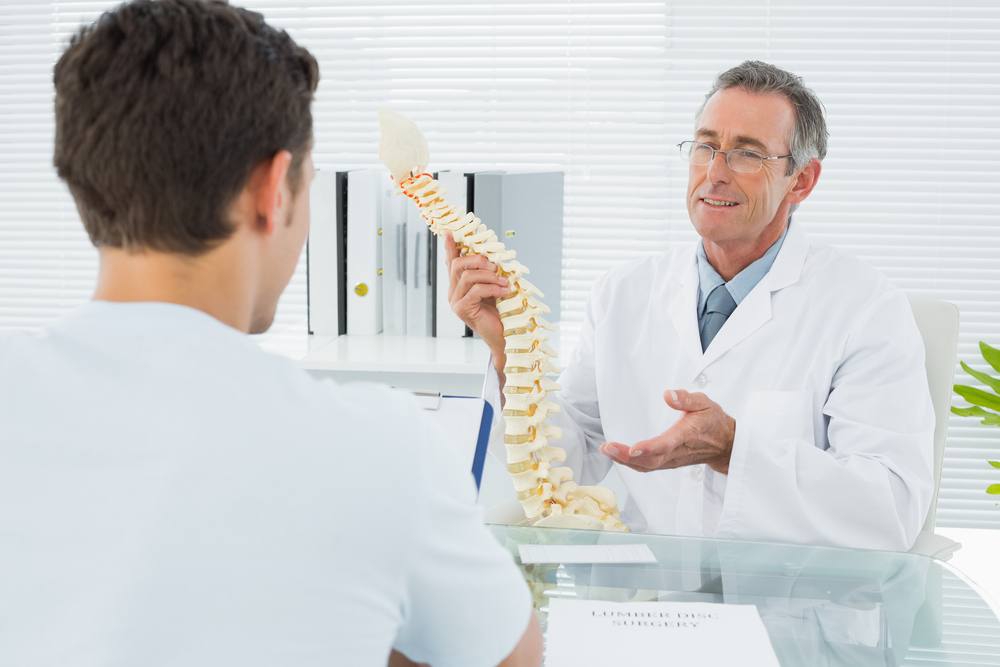 Effective treatment for back pain will depend on identifying the root cause. In many cases, conservative approaches are highly effective. These can include chiropractic care, physical therapy, along with targeted exercises and posture correction. Strengthening your core muscles can also play a major role in preventing back pain from coming back because a strong core helps to reduce pressure on the spine. Stretching tight muscle groups, especially in the hips, hamstrings, and upper back, can also improve your mobility and reduce strain. In more persistent cases, advanced treatments such as spinal injections or regenerative therapies may be recommended depending on the diagnosis. Maintaining good posture, staying active, using proper lifting techniques, and taking regular breaks from prolonged sitting can significantly reduce the risk of future back pain flare-ups.
Back Pain Treatment with AICA Orthopedics
If you’re dealing with ongoing back pain or recurring flare-ups, don’t wait for it to get worse. Getting a proper diagnosis is the first step toward real relief. The team at AICA Orthopedics can help identify the root cause of your pain and create a personalized treatment plan tailored to your needs so you can get back to moving comfortably again. At AICA Orthopedics in Marietta, we’re here to help you move beyond back pain and get back to living fully and comfortably.